
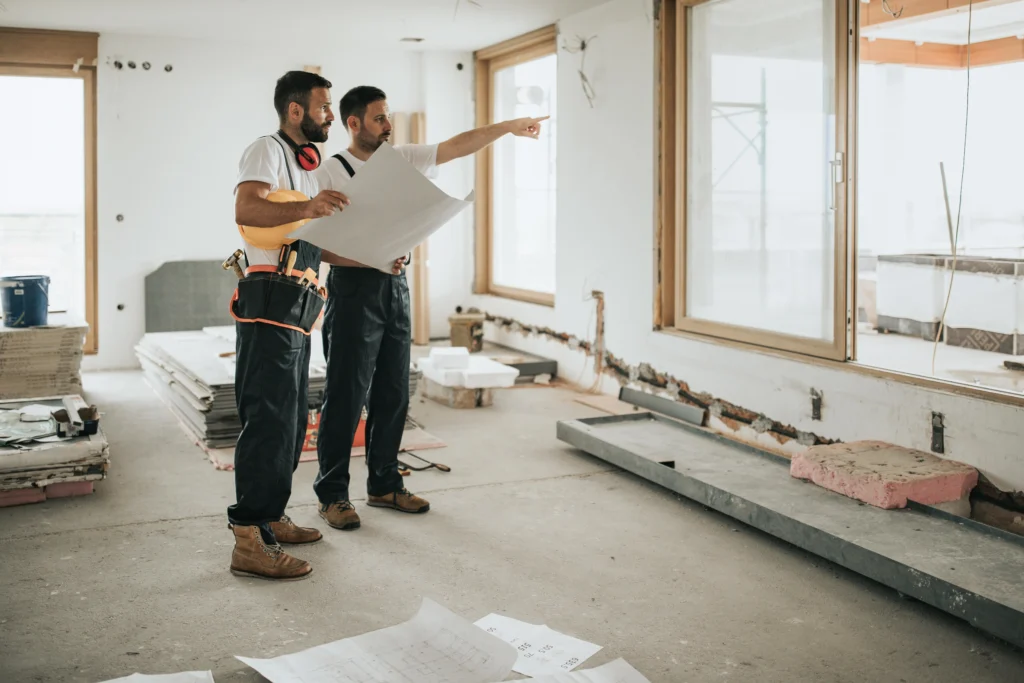
Building a home is one of the most significant investments a person can make in their lifetime. For those seeking a living space tailored to their unique lifestyle, tastes, and needs, custom home construction offers a perfect solution. Unlike pre-designed homes, custom-built homes are designed from the ground up, reflecting the homeowner’s personal vision, preferences, and functionality requirements. In this guide, we’ll explore everything you need to know about custom home construction, from planning to completion, to help you turn your dream home into a reality.
What Is Custom Home Construction?
Custom home construction is the process of designing and building a home specifically tailored to an individual or family. Unlike model homes or speculative builds, which are constructed based on generic plans for resale, a custom home is unique and built according to your exact specifications. Every aspect—from the floor plan and architectural style to materials, finishes, and interior details—is chosen by the homeowner, often in collaboration with architects, designers, and contractors.
This approach allows you to create a living space that meets your needs, supports your lifestyle, and fits perfectly within the surrounding environment. Whether it’s a modern minimalist villa, a rustic countryside retreat, or a luxury estate, custom home construction gives you full creative control.
Why Choose Custom Home Construction?
There are many advantages to choosing custom home construction over purchasing a pre-built or spec home. Here are some key reasons homeowners opt for a custom build:
- Personalized Design: From the layout to the smallest details, your home reflects your personality and lifestyle. You decide the number of rooms, ceiling heights, storage solutions, and more.
- Optimal Functionality: Custom homes are designed with your family’s needs in mind. If you require a home office, gym, or multi-generational living spaces, these can be integrated seamlessly into the design.
- Superior Quality: You have control over the materials, construction techniques, and finishes, often resulting in higher-quality craftsmanship compared to standard homes.
- Energy Efficiency: Custom homes allow for the integration of energy-efficient systems, sustainable materials, and smart home technology, reducing long-term costs and environmental impact.
- Long-Term Value: Homes built with attention to detail and high-quality materials tend to appreciate well over time, providing both comfort and investment value.
The Custom Home Construction Process
Building a custom home is a complex process, but understanding the steps can make the journey smoother. Here’s a breakdown of the typical phases:
1. Planning and Design
The first step is to define your vision and budget. This involves consulting with architects, designers, or custom home builders to develop detailed plans. During this phase, you’ll consider:
- Home size and layout
- Architectural style
- Room configurations and storage needs
- Interior and exterior finishes
- Landscaping and outdoor spaces
Effective planning ensures that the design aligns with your goals and stays within budget.
2. Site Selection
Choosing the right location is crucial. Factors to consider include:
- Proximity to work, schools, and amenities
- Terrain and soil quality
- Views and natural light
- Local building codes and regulations
Some custom home builders can also assist with land acquisition if you don’t already own a plot.
3. Budgeting and Financing
Custom home construction requires careful financial planning. Costs include land, permits, labor, materials, and contingency funds for unforeseen expenses. Homeowners often work with lenders to secure construction loans or mortgages tailored to custom builds.
4. Obtaining Permits
Before construction begins, you must secure local permits and approvals. This ensures compliance with zoning laws, building codes, and environmental regulations. Your builder or architect typically manages this process.
5. Construction Phase
This phase brings your design to life. Construction is generally broken into stages:
- Site preparation: Clearing land, leveling, and laying the foundation
- Framing: Building the structural framework of the home
- Plumbing, electrical, and HVAC: Installing essential systems
- Exterior finishes: Roofing, siding, windows, and doors
- Interior finishes: Flooring, cabinetry, countertops, lighting, and paint
Regular site visits and communication with your builder ensure your vision is being executed accurately.
6. Final Inspection and Handover
Once construction is complete, the home undergoes a final inspection to ensure all work meets local codes and standards. After approval, you receive the keys to your new home, ready to enjoy for years to come.
Tips for a Successful Custom Home Build
- Choose the Right Builder: Partner with a builder experienced in custom home projects. Look for a portfolio, client reviews, and transparent communication.
- Communicate Clearly: Regular meetings and updates help avoid misunderstandings and ensure your vision is realized.
- Prioritize Function Over Trends: While stylish designs are appealing, focus on functionality and longevity to ensure your home remains comfortable and practical.
- Plan for Future Needs: Consider future family needs, such as additional bedrooms or accessible design elements, to avoid costly renovations later.
- Expect the Unexpected: Construction projects often encounter delays or challenges. A flexible mindset and contingency planning are essential.
Common Misconceptions About Custom Homes
Many people believe that custom homes are always prohibitively expensive or time-consuming. While it’s true that custom builds often cost more upfront than buying an existing home, the benefits—personalization, energy efficiency, and long-term value—often outweigh the initial investment. Additionally, working with experienced builders and having a detailed plan can streamline timelines and reduce surprises.
Choosing the Right Materials
Material selection is a critical part of custom home construction. Choices impact durability, aesthetics, and maintenance costs. Common considerations include:
- Exterior materials: Brick, stone, wood, or stucco
- Roofing: Asphalt shingles, metal, clay tiles, or slate
- Interior finishes: Hardwood floors, luxury vinyl, tile, or carpet
- Energy-efficient options: Double-pane windows, insulation, and sustainable materials
Your builder or designer can guide you to the best choices based on your style, budget, and local climate.
The Role of Technology in Custom Homes
Modern custom homes increasingly integrate smart technology. Home automation systems can control lighting, security, HVAC, and entertainment, enhancing convenience, energy efficiency, and security. Incorporating technology during construction is more efficient than retrofitting later.
Final Thoughts
Custom home construction is a rewarding journey that allows you to create a home that perfectly reflects your lifestyle and values. By planning carefully, working with experienced professionals, and making thoughtful decisions about design, materials, and technology, you can enjoy a home that’s not only beautiful but also functional and sustainable.
Whether you’re building your first home, upgrading to a luxury residence, or creating a multi-generational living space, investing in a custom-built home ensures that every detail is tailored to your needs—resulting in a space that truly feels like yours.
If you’re ready to start your journey, partnering with a trusted custom home builder ensures your vision comes to life smoothly, efficiently, and beautifully.